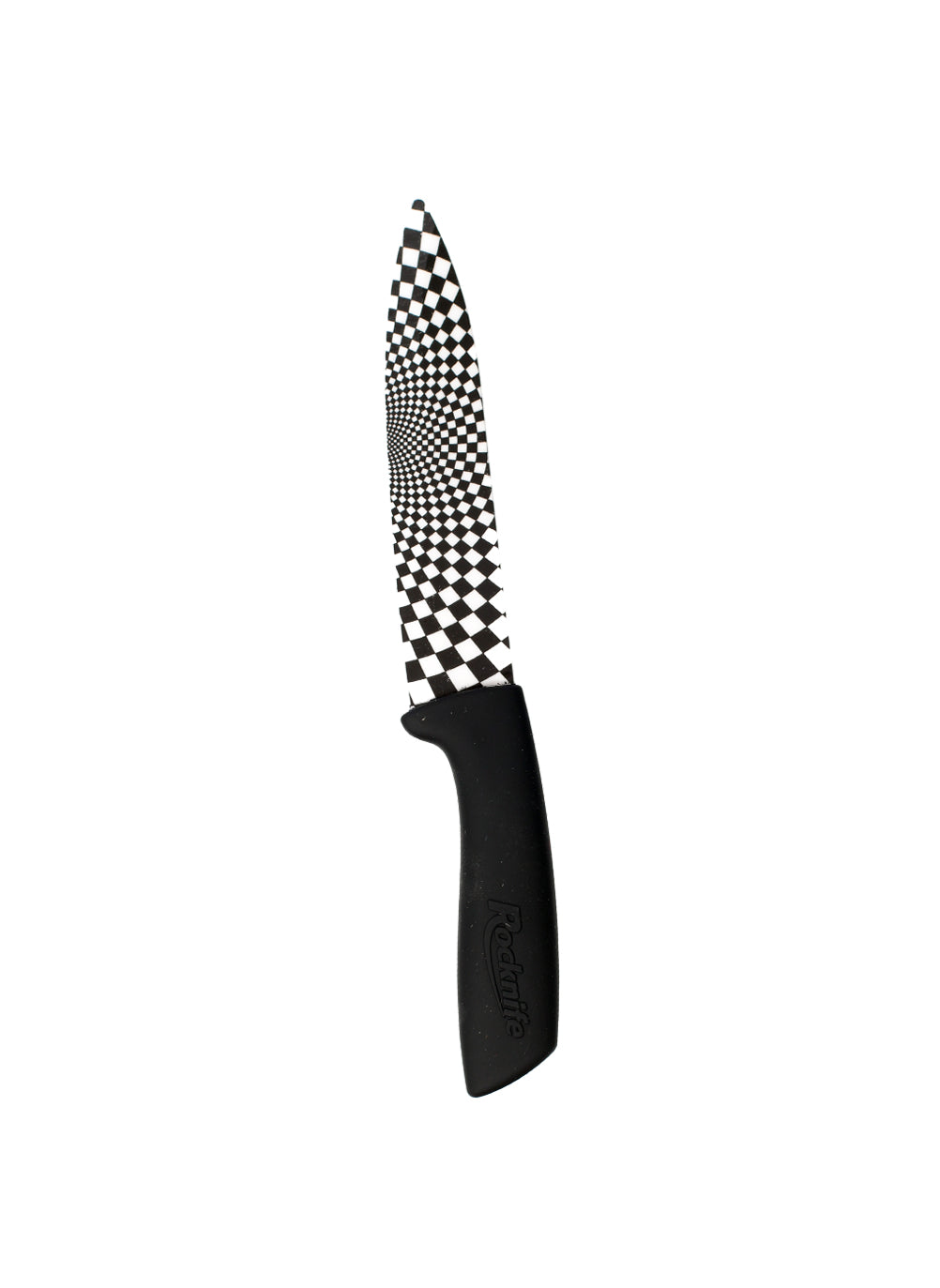
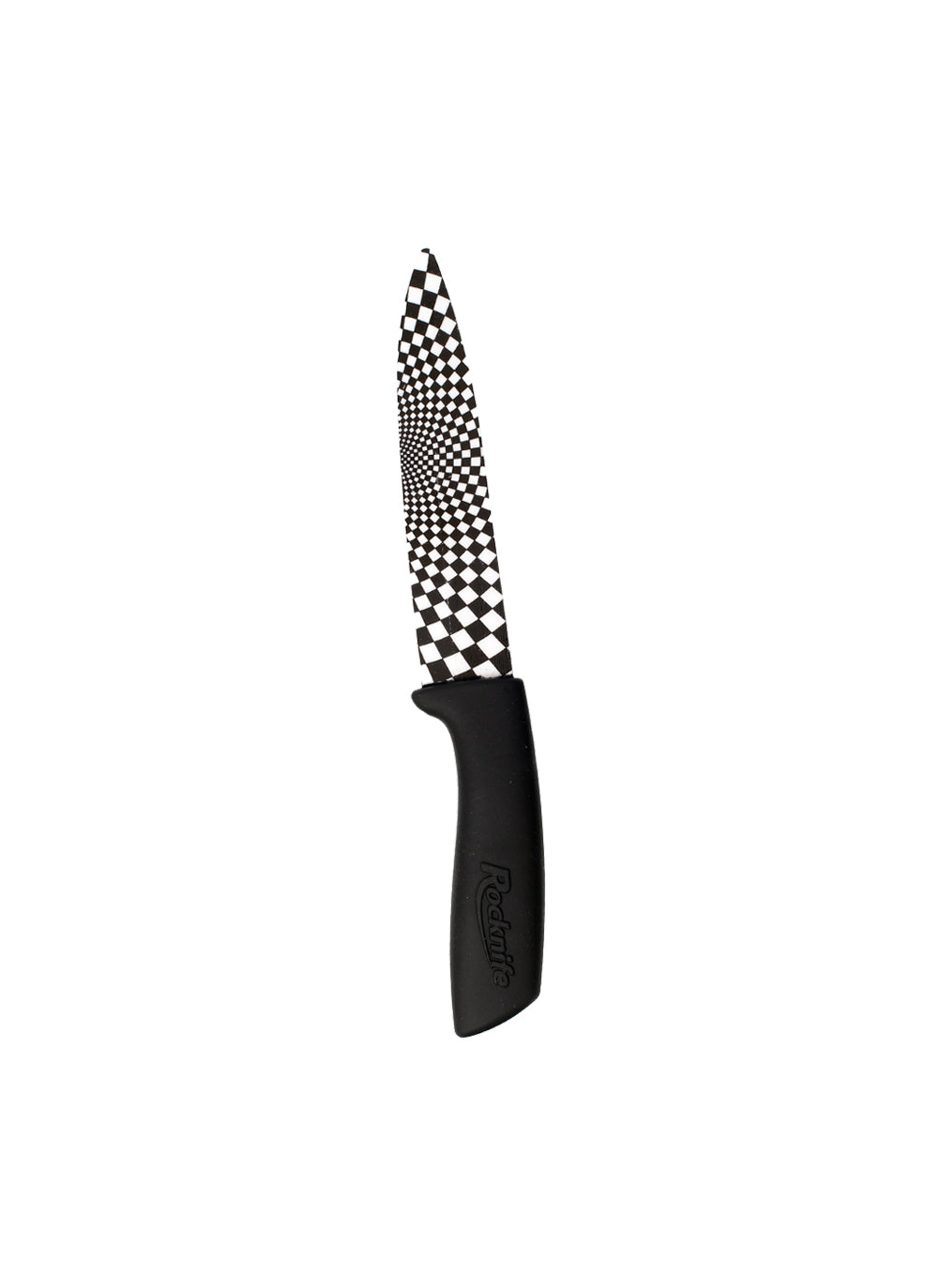
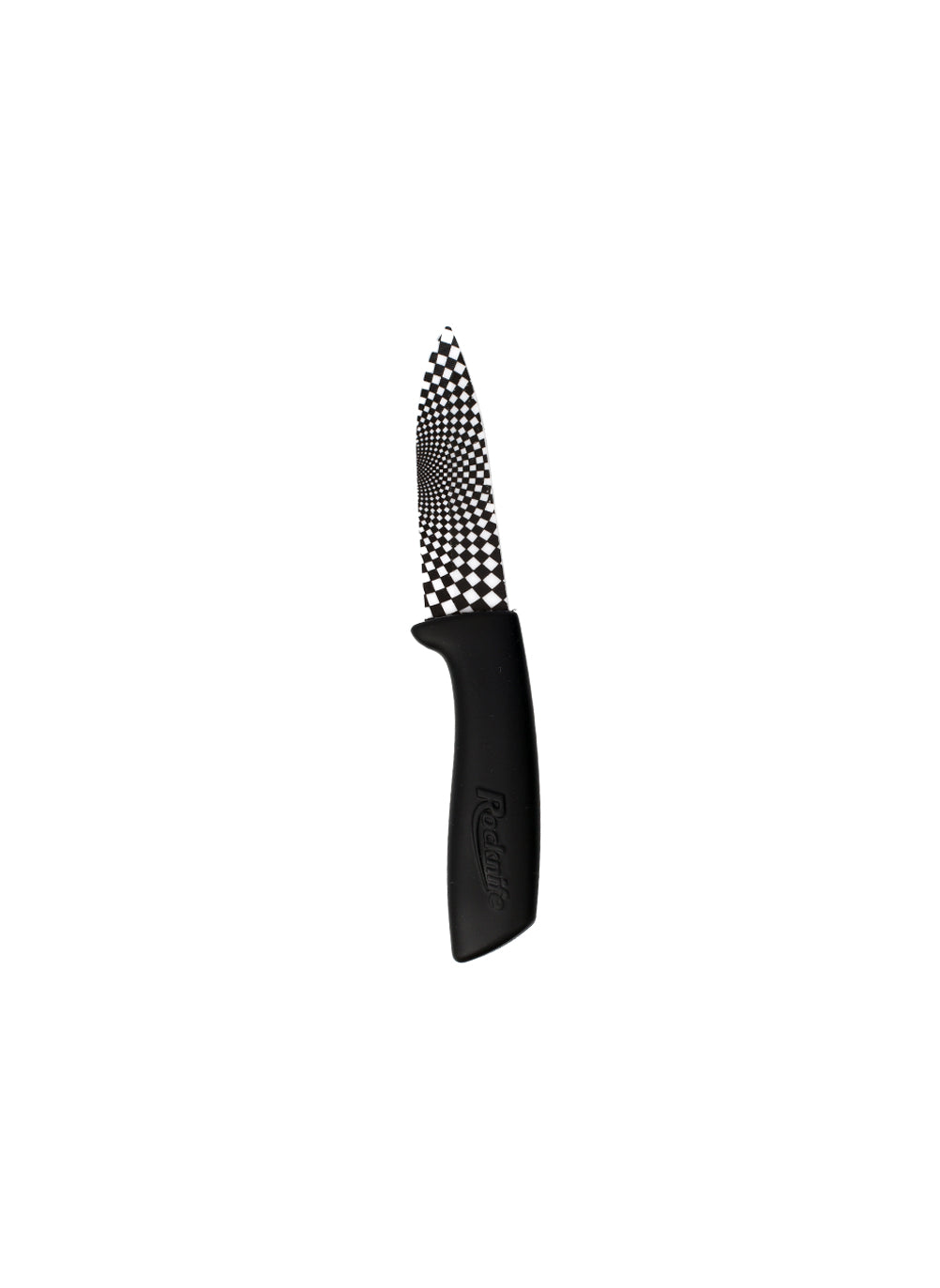
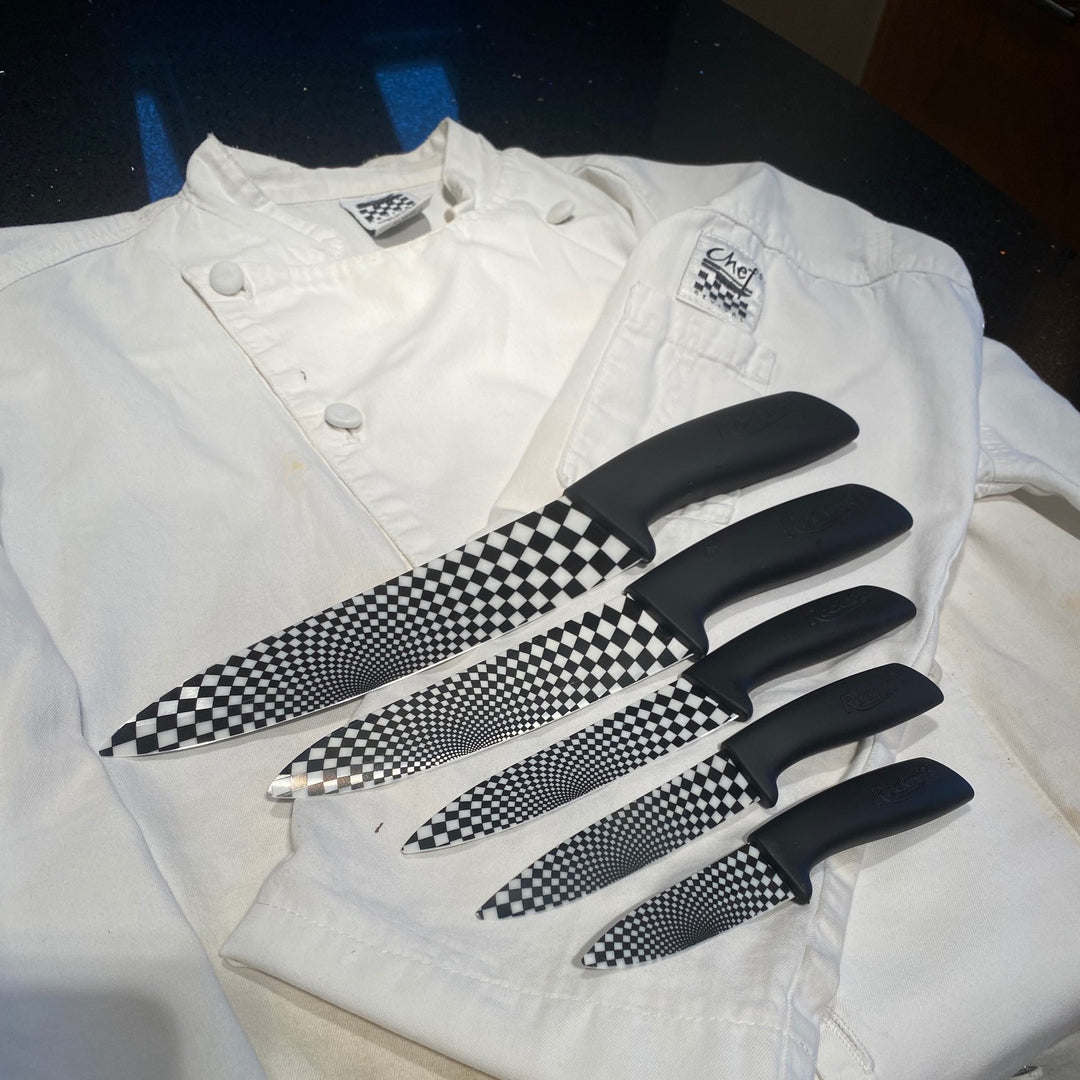
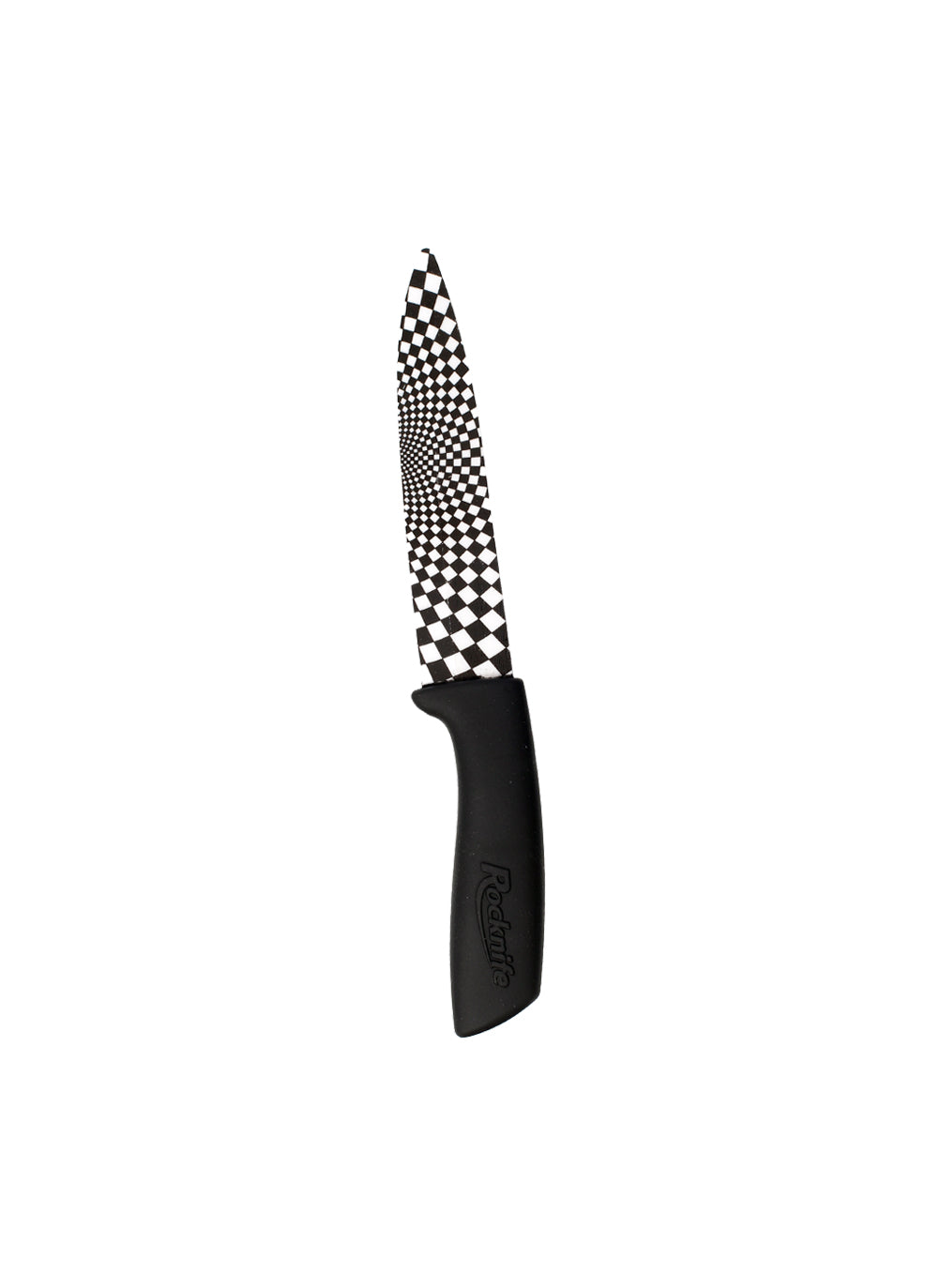
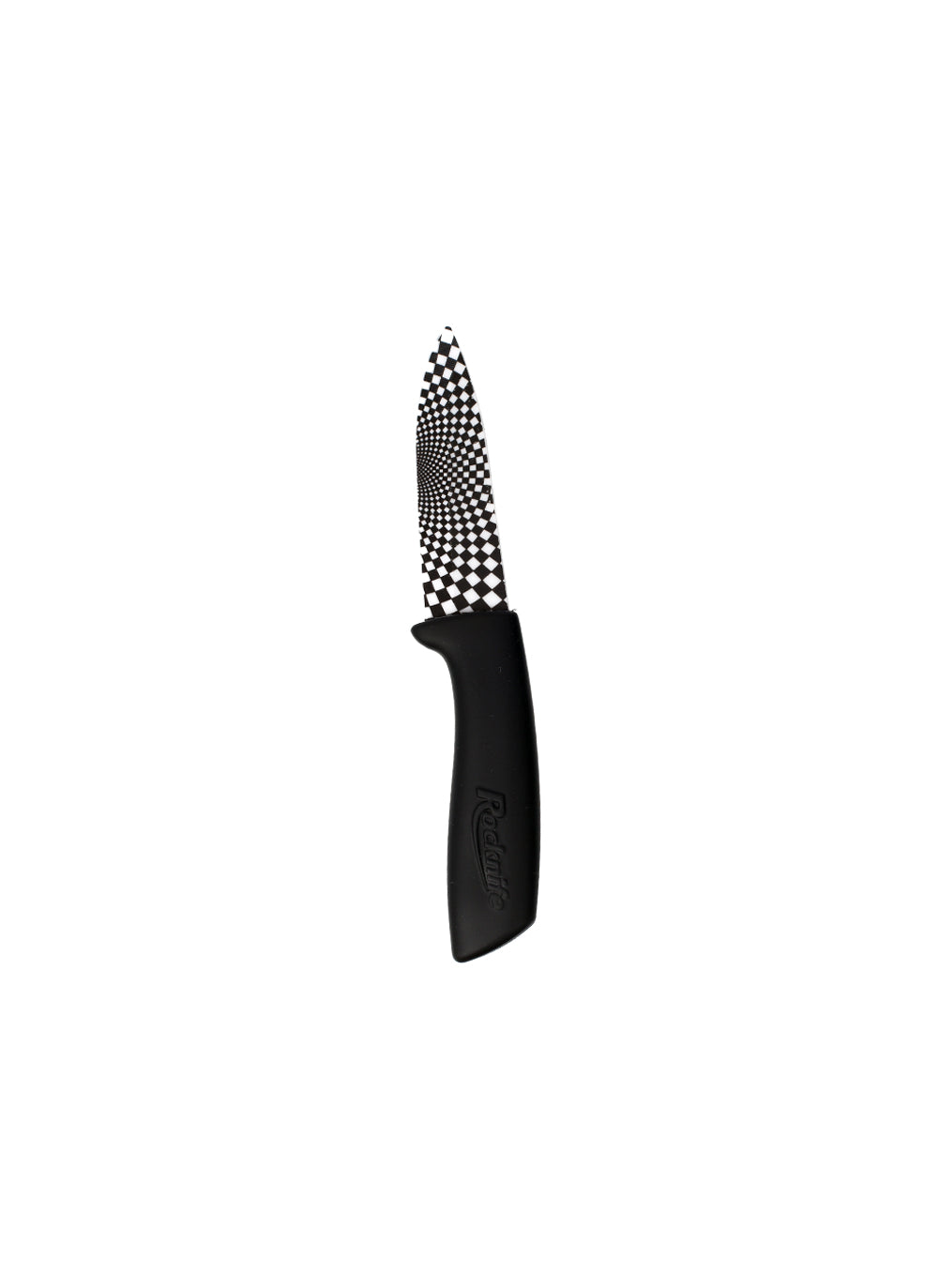
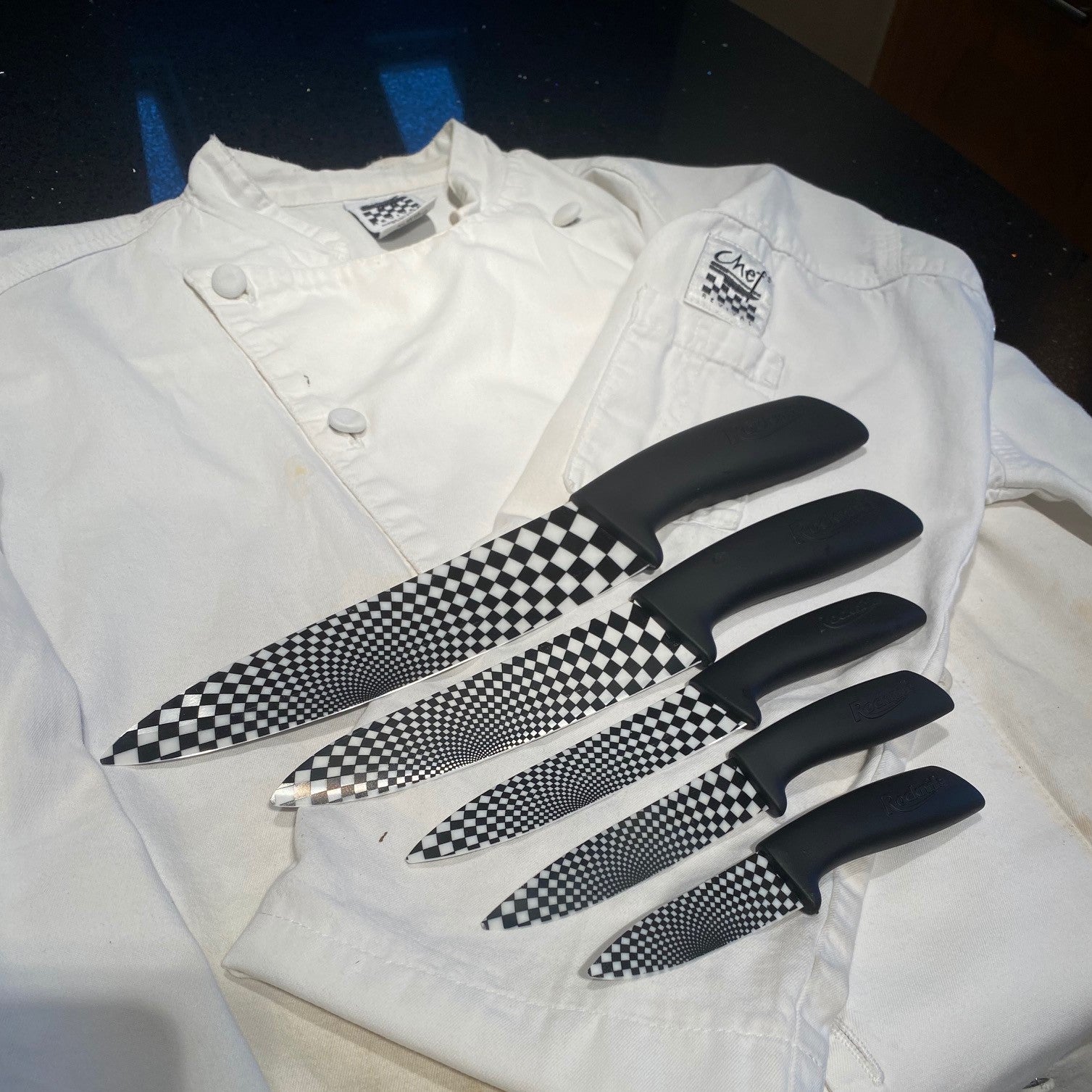
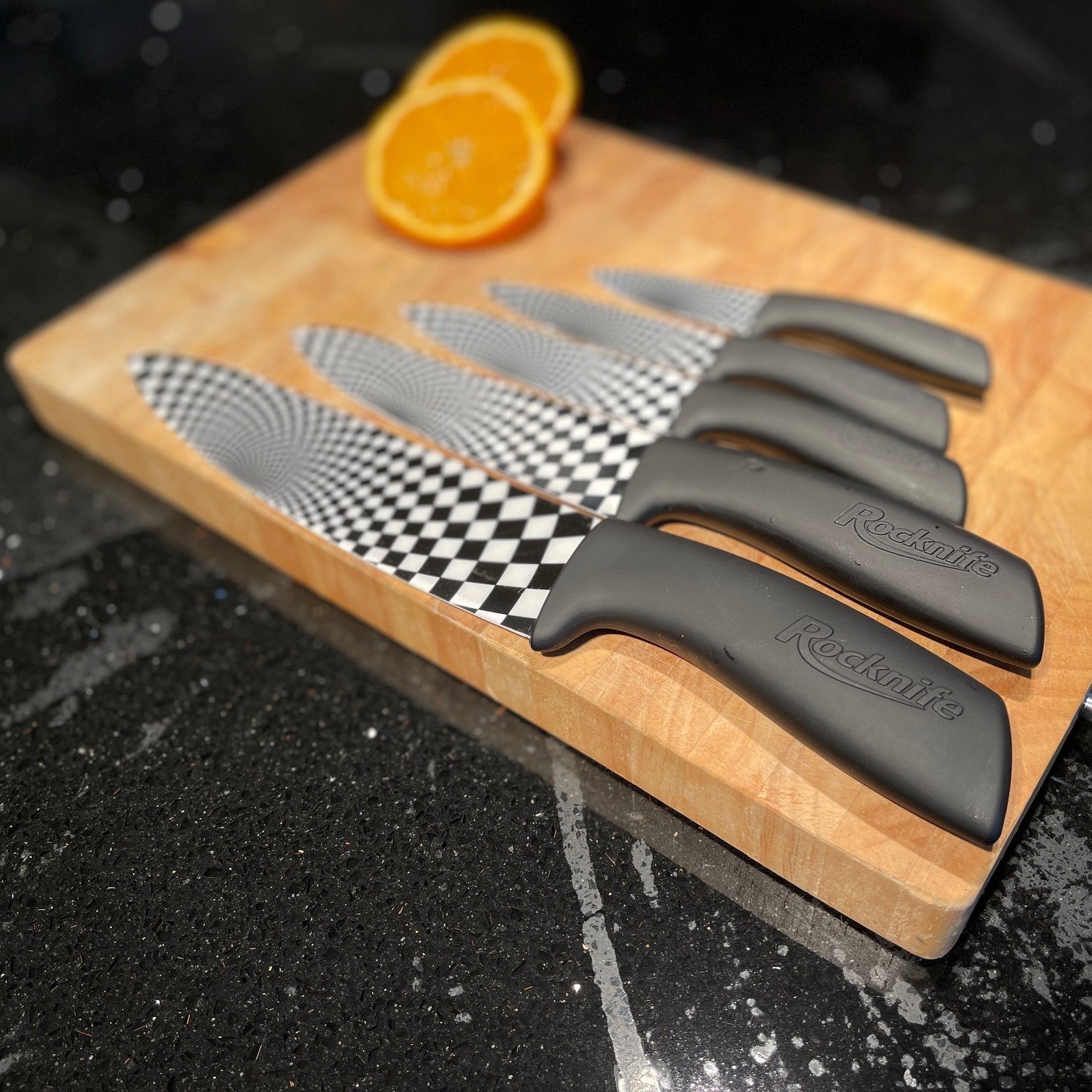




Zirconia ceramic
Varies by model (for example 5" and 6" options are available)
Model-specific kitchen knife handle
Varies by model
Hand wash and dry after use. Avoid bones, frozen food, and twisting cuts.
Ceramic blades are very hard and hold a sharp edge for a long time. They can chip if dropped or twisted during cutting, so use straight slicing motions and handle with care.
No. Ceramic knives are designed for fruit, vegetables, and boneless meats. For bones, frozen food, or hard shell items, use a suitable steel knife or cleaver.
Store in a sheath, knife block, or on a secure magnetic strip so the blade does not knock against other utensils. Avoid loose storage in drawers.
Much less often than typical steel knives, but eventually yes. When needed, use a diamond sharpener or a professional sharpening service suitable for ceramic blades.
Be the first to ask a question about this.
On the Mohs scale of mineral hardness, Zirconia measures 8.5, while steel is 4.5. Hardened steel is between 7.5 and 8, whilst diamond is a 10.
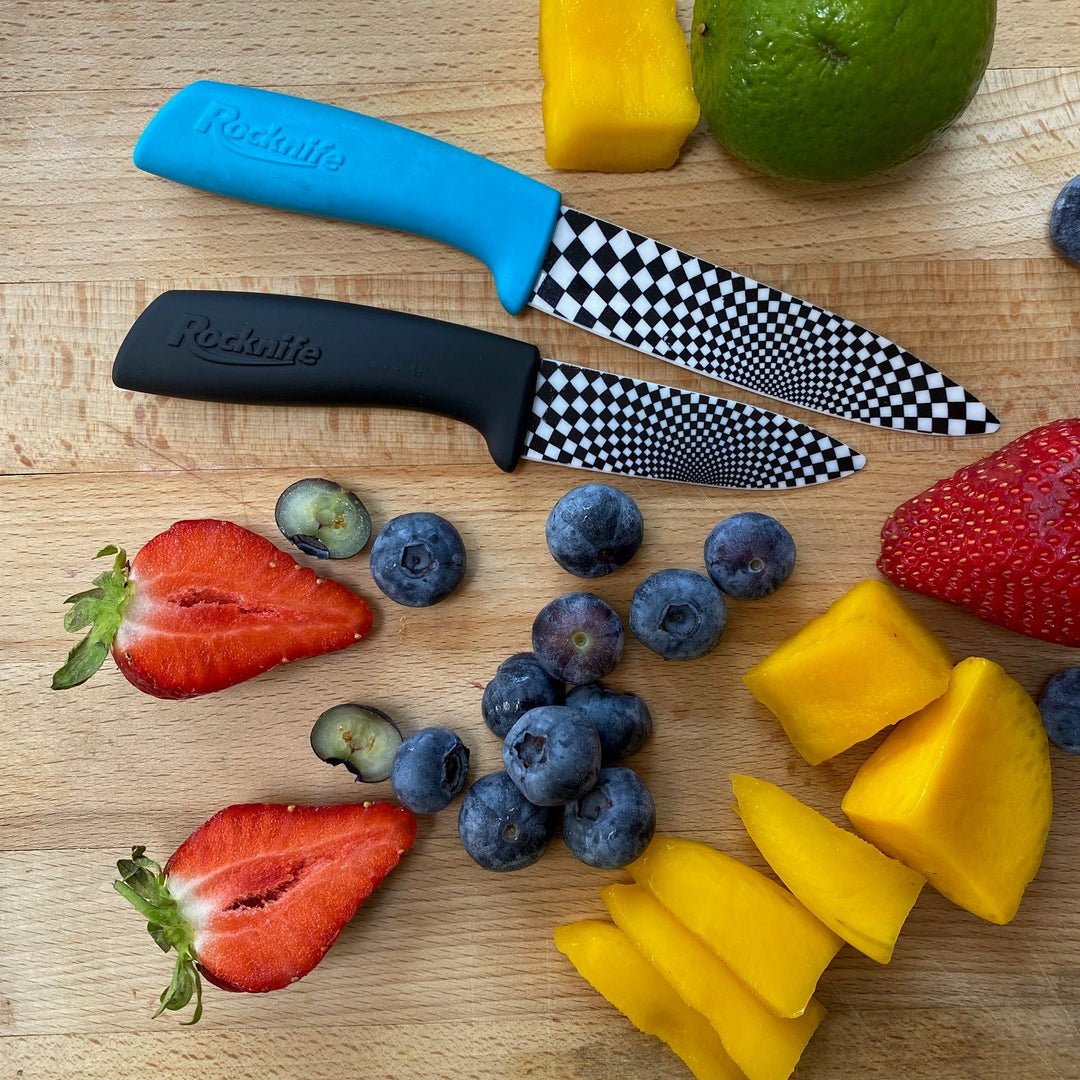
Substances such as salts, acids and juices do not affect Ceramic Knives and therefore, do not change the taste of foods. Food stays fresher for longer when you have used a Ceramic blade.
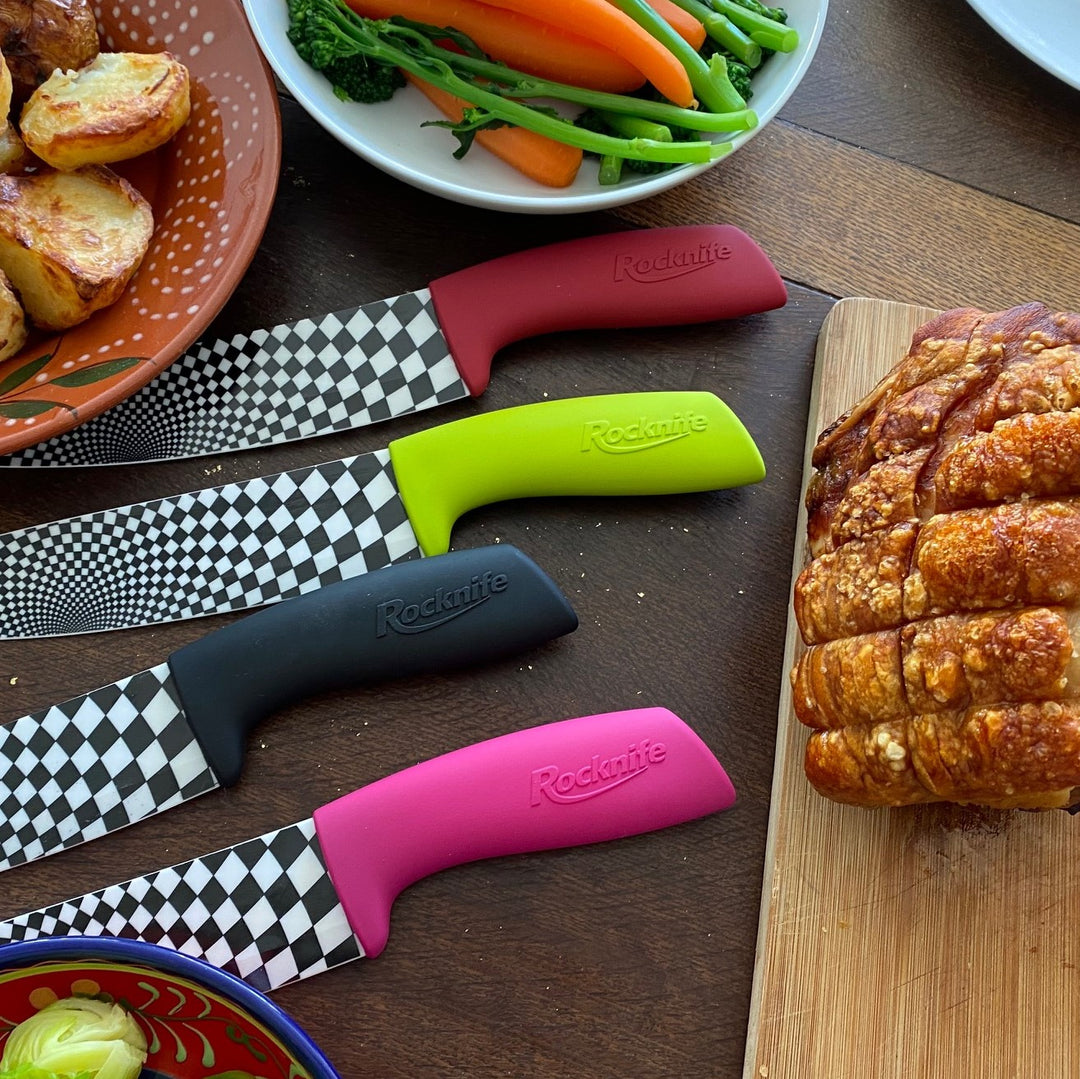
Steel knives tend to show their age from long-term use. Ceramic Knives, however are impervious to rust and food stains. They will keep their striking appearance for a much longer time.
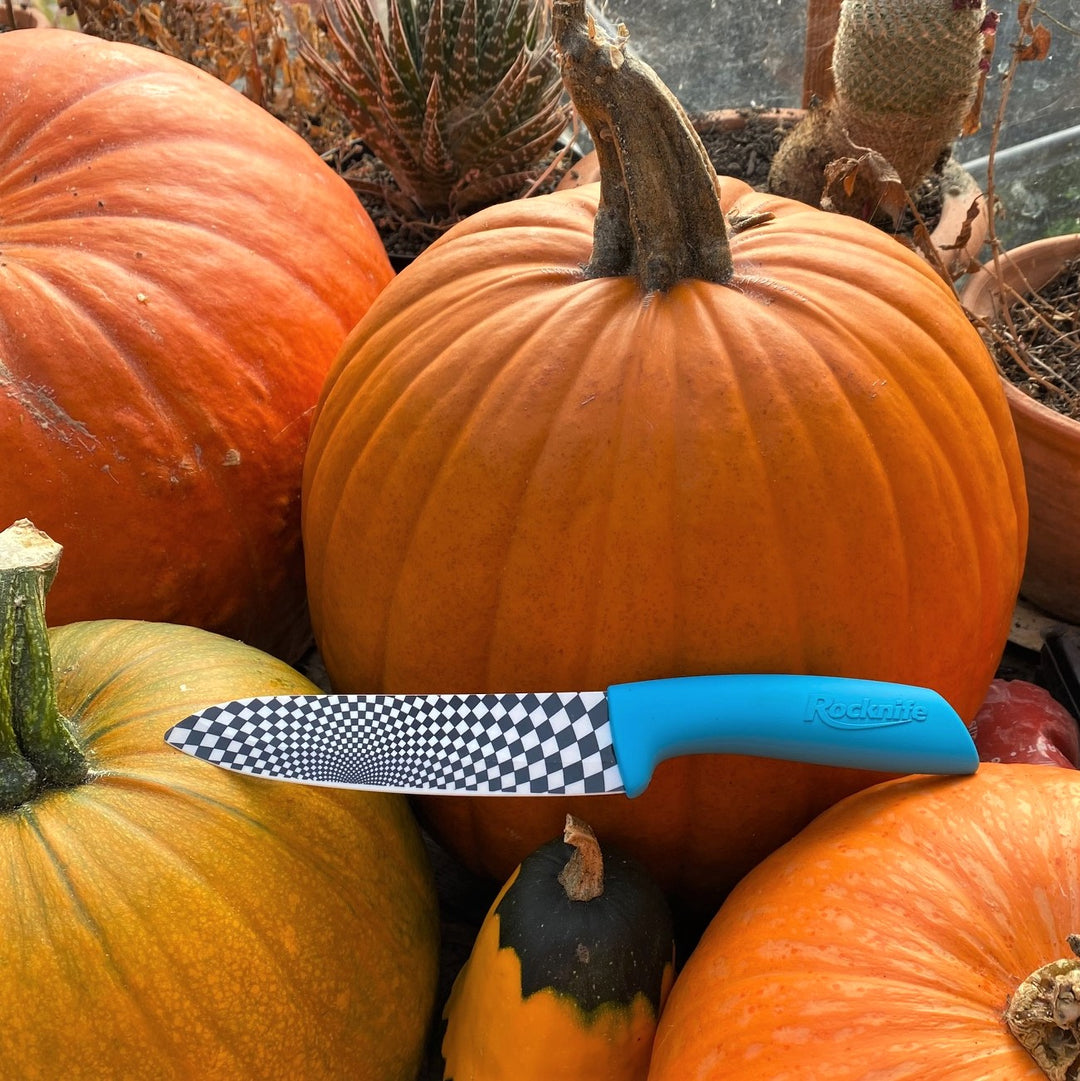
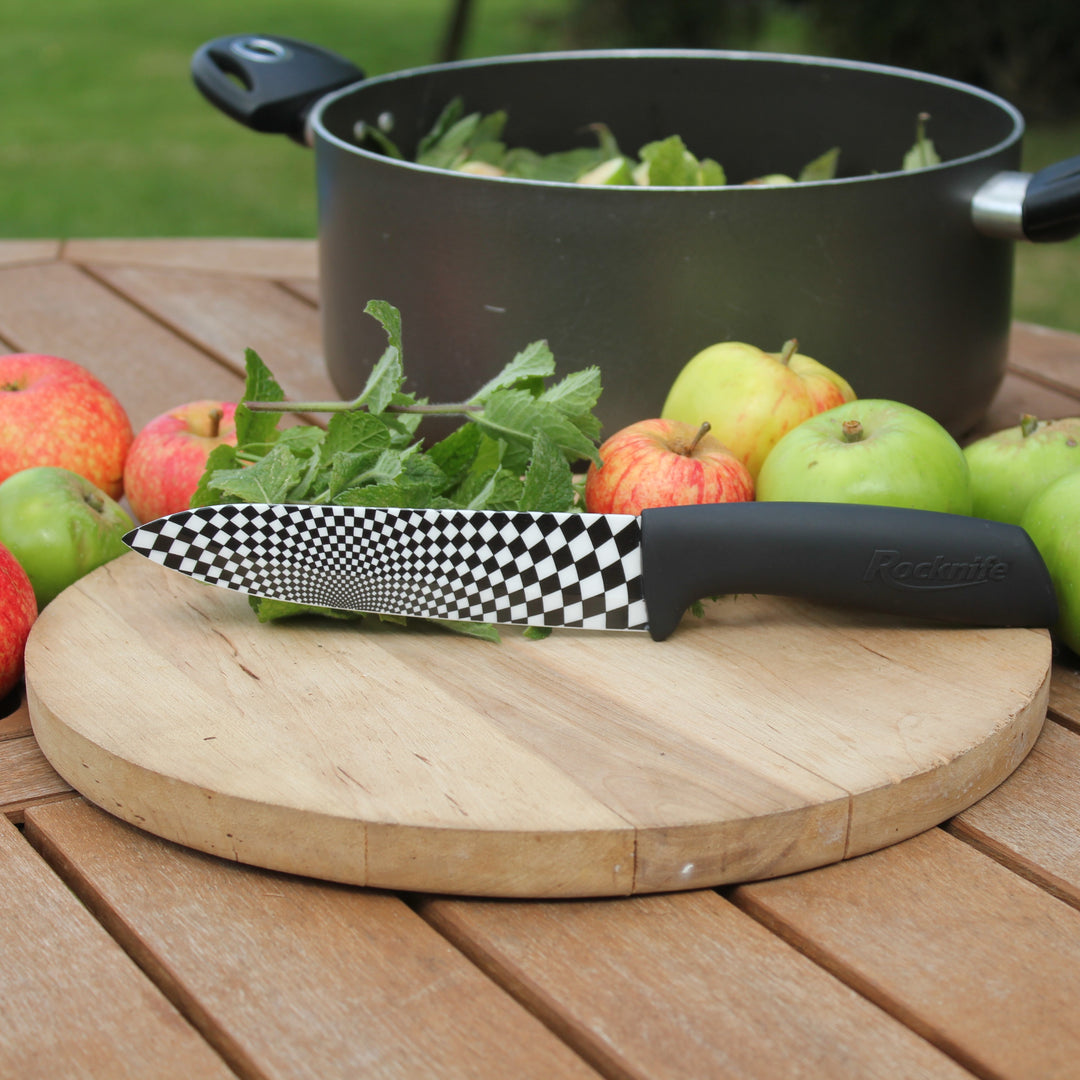
There's something very special about producing your own home grown vegetables and fruits.